![Congress: Ask Howard Lutnick these key questions about his relationship with Epstein]()
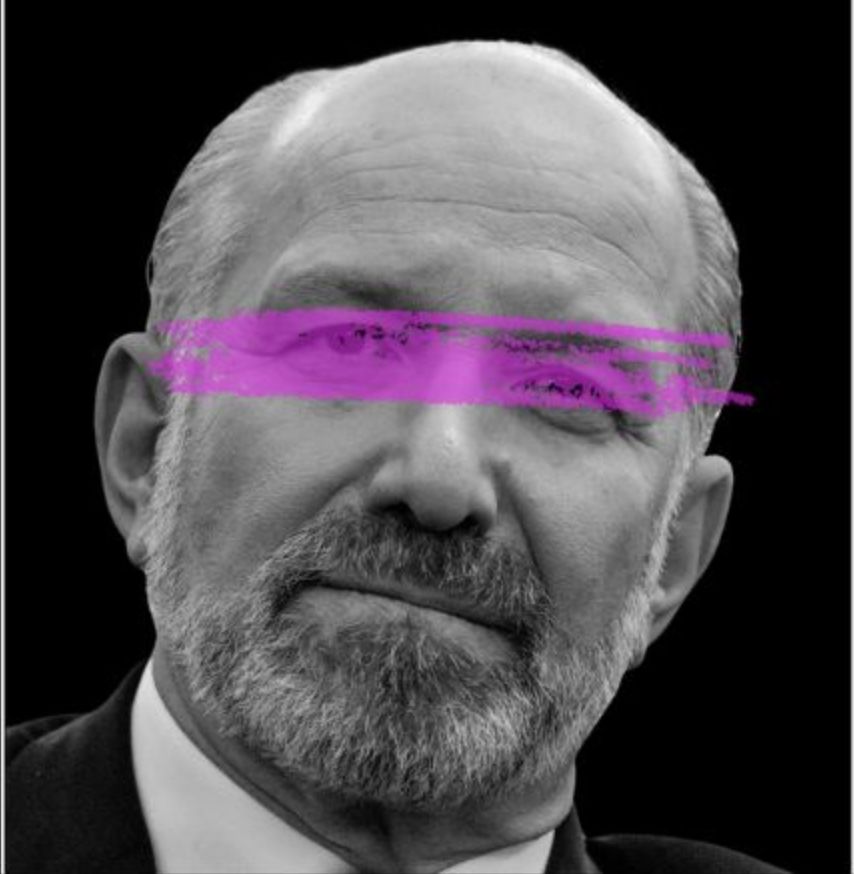
Congress: Ask Howard Lutnick these key questions about his relationship with Epstein
The petition to House Oversight Committee members reads:
I am a concerned member of the public who is seeking truth and justice for the more than 1,000 women abused at the hands of the late pedophile Jeffrey Epstein and his massive network of abusers and enablers. Many of these women were children at the time of abuse--some as young as 14. U.S. Commerce Secretary Howard Lutnick was an influential acquaintance of Epstein's and may have even provided Epstein with critical funds for his illegal activity. I respectfully submit the questions below for you to ask Lutnick when he appears before the House Oversight Committee on May 6.
1. Contradicting Statements
You previously stated you had minimal interaction with Jeffrey Epstein, yet released documents reference you hundreds of times and indicate ongoing contact after his 2008 conviction. Were your prior statements to Congress accurate?
Follow-ups:
- What is your definition of "limited interaction"?
- Why do records reflect continued communication and business engagement over more than a decade?
2. Post-Conviction Relationship
Evidence indicates a continued association with Epstein after his conviction for offenses involving a minor. Records show you visited Epstein's properties, including travel involving family members. Why did you maintain any relationship with him after 2008? What was the purpose and nature of those visits?
Follow-ups:
- Did you conduct any due diligence regarding Jeffrey Epstein's criminal conduct?
- Do you believe maintaining that relationship met the ethical standards expected of a public official?
- At what point did you cease all in-person interactions with Jeffrey Epstein?
3. Financial & Business Activity
What was the full scope of your financial and business relationship with Epstein, and can you confirm under oath that none of those dealings involved improper financial activity, including the allegations of money laundering tied to Cantor Fitzgerald?
Follow-ups:
- Were offshore or layered financial structures used?
- Have these dealings been audited or reviewed by regulators?
- Will you provide full financial disclosures to this Committee?
4. Allegations and Potential Federal Investigation
Records within the Epstein materials--including an FBI import form dated April 23, 2021--contain allegations of potential financial misconduct involving you, including references to money laundering through Cantor Fitzgerald and BGC Partners, as well as connections to broader financial networks. To your knowledge, is the Federal Bureau of Investigation currently investigating these matters?
Follow-ups:
- Have you or your representatives been contacted by federal investigators regarding these allegations?
- Are you aware of any internal or external reviews of these claims?
- Do you commit to full cooperation, including providing financial records and communications, if an investigation is initiated or ongoing?
- Have you proactively disclosed these allegations in any ethics or confirmation processes?
5. Statement Regarding Epstein as a "Blackmailer"
Documents demonstrate your long-term engagement with Epstein and his network, including invitations and political fundraising activity. In a recent interview, you described Jeffrey Epstein as "the greatest blackmailer ever." What information or personal experience led you to make that statement? Did Epstein ever attempt to blackmail or exert leverage over you directly or indirectly in a financial or political context?
Follow-ups:
- Are you aware of specific instances in which Epstein blackmailed other individuals?
- If so, did you report that information to law enforcement at the time?
- When did you first come to believe Epstein was engaged in blackmail?
- What was the extent of your discussions and work with Epstein regarding political or financial strategy?
- Were any such interactions disclosed in ethics filings?
6. Fitness to Serve and Resignation Calls
Setting aside legal liability, your continued association with Epstein, particularly after his conviction, raises serious questions about judgment and responsibility. Why should the public trust your decision-making in a senior economic leadership role, given that history? Do you believe your continued service undermines public trust in the Department of Commerce?
Follow-ups:
- At what point did you conclude that maintaining any association with Epstein was inappropriate?
- Do you acknowledge that continued engagement with him may have contributed to his legitimacy and access to victims?
- What steps, if any, have you taken to account for or remediate that impact?
- In light of these concerns, why have you not considered stepping down to preserve public trust in your office?
- Have you discussed these matters with President Donald Trump or members of the administration?
- Given bipartisan concerns about your judgment and transparency, why do you believe you can continue to serve effectively as Secretary of Commerce?